Hungry Minds: The Book presents a beautifully illustrated, accessible guide to restarting society, celebrating civilization’s workings and offering a joyous, detailed exploration.
The Premise of Societal Collapse
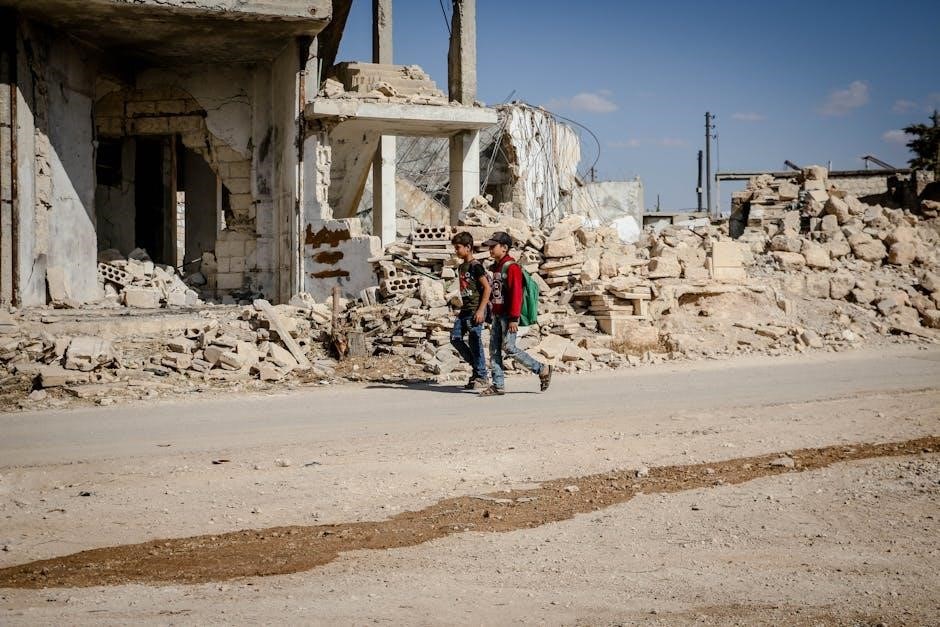
The Book doesn’t dwell extensively on how civilization falls, but implicitly acknowledges the fragility inherent in complex systems. It’s a survivor’s guidebook geared towards the “after the Fall” scenario, moving beyond basic survival skills. This isn’t about merely existing in the wreckage, but actively orchestrating a return to a technologically advanced state.
The premise isn’t a specific apocalyptic event, but rather a generalized cataclysm – a disruption severe enough to dismantle established infrastructure and knowledge networks. This allows the guide to remain relevant regardless of the cause, be it natural disaster, pandemic, or societal breakdown. The focus is on preparedness and the systematic rebuilding process, assuming a complete or near-complete loss of modern conveniences and expertise.
The Scope of “The Book”: A Comprehensive Approach
The Book ambitiously attempts to cover the vast spectrum of knowledge required to restart civilization from scratch. It’s a 400-page, hand-illustrated exploration encompassing foundational skills – agriculture, water management, medicine, and construction – alongside the re-establishment of core infrastructure like energy, manufacturing, and communication.
Beyond the practical, it delves into the crucial aspects of social structures, governance, education, and economic systems. Crucially, it emphasizes preserving and rediscovering lost knowledge, advocating for libraries, documentation, and scientific inquiry. It’s not simply a technical manual, but a holistic guide recognizing the importance of cultural revival and long-term sustainability, aiming to prevent future collapses.
Foundational Knowledge: Essential Skills & Disciplines
The Book prioritizes core competencies: agriculture, medicine, water sanitation, and construction—vital for survival and rebuilding a functional, technologically advanced society from the ground up.
Agriculture and Food Production
Establishing sustainable food sources is paramount in any rebuilding scenario, and The Book meticulously details the necessary steps. It moves beyond simple survival gardening, exploring the complexities of crop rotation, seed saving, and soil management for long-term yields. The guide doesn’t just focus on what to grow, but how to cultivate resilient agricultural systems adaptable to varying climates and resource limitations.
Understanding animal husbandry, including breeding and disease prevention, is also covered. Furthermore, the book likely addresses the crucial aspects of food preservation techniques – drying, salting, fermentation – to ensure sustenance through lean seasons. This foundational knowledge isn’t merely about avoiding starvation; it’s about building a stable, self-sufficient food supply capable of supporting a growing population and fostering societal development.
Water Management and Sanitation
Access to clean water and effective sanitation are non-negotiable for societal recovery, and The Book likely dedicates significant attention to these critical areas. It wouldn’t simply cover finding water sources, but also detailed methods for purification – boiling, filtration using readily available materials, and potentially even rudimentary distillation techniques. Understanding hydrology and watershed management would be essential for sustainable access.
Equally important is the establishment of sanitation systems to prevent disease outbreaks. The guide would likely detail the construction of latrines, waste disposal methods, and hygiene practices. This isn’t just about preventing illness; it’s about creating a healthy environment conducive to rebuilding and fostering a productive workforce, ensuring long-term societal stability.
Basic Medical Knowledge and Healthcare
In a post-collapse scenario, modern medical infrastructure will be unavailable, making foundational medical knowledge paramount. The Book would likely prioritize identifying medicinal plants, understanding wound care, and treating common illnesses with limited resources. Herbal remedies, basic surgical techniques (setting broken bones, stitching wounds), and disease prevention would be crucial.
Furthermore, understanding epidemiology – how diseases spread – is vital for containing outbreaks. The guide would likely cover quarantine procedures, sanitation practices to minimize infection, and the importance of public health measures. Establishing a basic understanding of anatomy and physiology would empower individuals to provide essential care, significantly increasing survival rates.
Shelter and Construction Techniques
The Book would undoubtedly dedicate significant space to shelter construction, recognizing its immediate importance for survival and long-term community building. It would likely begin with rudimentary techniques – building lean-tos, utilizing natural shelters like caves, and constructing basic wattle and daub structures.
Progressing beyond immediate needs, the guide would detail more advanced building methods using locally sourced materials: timber framing, stone masonry, and brickmaking. Understanding structural integrity, insulation, and weatherproofing would be essential. Furthermore, the book would likely cover the creation of tools necessary for construction, emphasizing resourcefulness and adaptability in a world without modern equipment.

Re-establishing Core Infrastructure
The Book details restarting society from scratch, focusing on energy, manufacturing, communication, and transportation—vital systems for a technologically advanced civilization’s revival.
Energy Production: From Basic to Advanced
The Book meticulously charts a course for energy production, beginning with fundamental methods essential for immediate survival and progressing towards more sophisticated technologies. It acknowledges the critical need to swiftly establish power sources post-collapse, initially focusing on readily available resources and simple implementations.
This involves detailed explorations of harnessing renewable energies like wind and water power, alongside practical guides for constructing basic generators and utilizing readily available fuels. However, the guide doesn’t stop there; it envisions a future where advanced energy systems are re-established, potentially revisiting lost technologies or innovating new solutions. The emphasis is on a phased approach, building a sustainable energy infrastructure capable of supporting a revitalized civilization, ensuring long-term viability and progress.
Manufacturing and Tool Creation
The Book recognizes that a functioning society hinges on the ability to create and repair tools, emphasizing a return to foundational manufacturing techniques. It details methods for establishing basic workshops, utilizing salvaged materials, and mastering essential skills like blacksmithing, carpentry, and pottery. The guide doesn’t merely focus on replicating existing tools, but also on adapting and innovating based on available resources.
It provides a pathway from rudimentary hand tools to more complex machinery, outlining the steps needed to rebuild manufacturing capabilities. This includes instructions for creating molds, refining metalworking processes, and establishing supply chains for raw materials, ultimately aiming for self-sufficiency and a robust industrial base for the re-emerging civilization.
Communication Systems: Early Methods
The Book acknowledges that re-establishing communication is paramount for societal cohesion. It begins with the most basic methods – visual signaling using smoke, mirrors, and flags – and progresses to more sophisticated, yet still achievable, techniques. Detailed instructions are provided for constructing simple telegraph systems utilizing locally sourced materials, alongside methods for establishing reliable messenger networks.
The guide emphasizes the importance of standardized codes and languages to prevent miscommunication. It explores early forms of written communication, including the creation of inks and paper from natural resources, laying the groundwork for preserving and disseminating knowledge. Ultimately, it aims to rebuild a network capable of connecting communities and fostering collaboration.
Transportation Networks: Rebuilding Mobility
The Book recognizes that restoring mobility is crucial for trade, resource distribution, and social interaction. It details the initial focus on repairing existing roads and waterways, utilizing manual labor and locally available materials. Instructions cover building simple bridges and rafts for crossing obstacles, alongside techniques for animal domestication and harnessing their power for transport.
The guide progresses to the construction of more advanced transportation systems, like rudimentary carts and wagons. It emphasizes the importance of establishing clear routes and maintaining infrastructure. Ultimately, the goal is to create a network enabling efficient movement of people and goods, fostering economic recovery and societal reconnection.
Social Structures and Governance
The Book details establishing law and order, education, and economic systems—barter, currency, and trade—to rebuild a functioning, equitable society from the ground up.
Establishing Law and Order
The Book emphasizes that simply surviving a collapse isn’t enough; a successful rebuild necessitates re-establishing societal structures, beginning with law and order. This isn’t merely about punishment, but creating a framework for cooperation and preventing a descent into chaos. The guide likely explores early legal codes, dispute resolution mechanisms, and the formation of governing bodies.
It’s probable that the book delves into the challenges of balancing individual freedoms with collective security, and the importance of fairness and transparency in any legal system. Considering the scope of the project, The Book probably doesn’t advocate for replicating existing systems wholesale, but rather adapting principles to the new context, learning from historical successes and failures to build a more resilient and just society.
Education and Knowledge Preservation
The Book rightly identifies education and knowledge preservation as cornerstones of any successful rebuilding effort. Beyond basic survival skills, transmitting accumulated wisdom is crucial to avoid repeating past mistakes and fostering innovation; The guide likely stresses the importance of establishing libraries and archives – physical and potentially digital – to safeguard vital information.
Furthermore, it probably explores methods for documenting and transmitting knowledge across generations, perhaps advocating for apprenticeship systems or the re-establishment of formal schooling. The Book likely champions a broad curriculum, encompassing not just technical skills, but also history, arts, and critical thinking, ensuring a well-rounded and informed citizenry capable of shaping a better future.
Economic Systems: Barter, Currency, and Trade
The Book likely addresses the evolution of economic systems post-collapse, starting with the immediate necessity of barter for essential goods and services. It probably details how localized trade networks would emerge, driven by need and resource availability. The guide likely explores the challenges of establishing a stable currency – whether based on precious metals, energy credits, or a novel system – and the importance of trust in its acceptance.
Furthermore, it would likely cover the complexities of fair trade, preventing exploitation, and fostering economic growth. The Book probably emphasizes the need for a diversified economy, avoiding over-reliance on single resources, and promoting sustainable practices for long-term prosperity;
Preserving and Re-Discovering Lost Knowledge
The Book stresses the vital role of libraries and archives, documenting information, and re-establishing scientific inquiry to avoid repeating past mistakes.
The Importance of Libraries and Archives
The Book profoundly emphasizes that libraries and archives aren’t merely repositories of past knowledge, but foundational cornerstones for any successful societal reconstruction. They represent the accumulated wisdom, innovations, and lessons learned from previous generations – a crucial resource to prevent repeating historical errors.
Without a dedicated effort to preserve and systematically organize existing information, rebuilding efforts risk stagnation or, worse, regression. These institutions must prioritize the safeguarding of diverse knowledge formats, from ancient texts and scientific treatises to practical manuals and artistic creations.
Furthermore, The Book suggests establishing robust systems for cataloging, cross-referencing, and making this knowledge accessible to all members of the re-emerging society, fostering continuous learning and innovation.
Documenting and Transmitting Information
The Book stresses that simply having knowledge isn’t enough; effective documentation and transmission are vital for long-term societal recovery. Initial efforts should focus on establishing clear, durable methods for recording discoveries, innovations, and essential skills. This includes prioritizing easily reproducible formats, anticipating potential disruptions to advanced technologies.
Beyond preservation, a robust system for transmitting this knowledge to future generations is paramount. This necessitates a renewed focus on education, mentorship, and the development of accessible learning materials.
The Book advocates for a multi-faceted approach, combining traditional oral storytelling with written records and, eventually, the re-establishment of printing and digital archiving capabilities.
Re-establishing Scientific Inquiry
The Book emphasizes that rebuilding civilization isn’t merely about replicating past achievements, but about fostering a renewed spirit of scientific inquiry. A return to empirical observation, experimentation, and critical thinking is crucial for adapting to new challenges and improving upon existing knowledge.
Early efforts should prioritize establishing basic laboratories and workshops, focusing on practical investigations relevant to immediate needs – agriculture, medicine, and materials science.
The Book advocates for a collaborative approach, encouraging the sharing of findings and the open exchange of ideas, laying the foundation for a future of innovation and progress.
Cultural Revival and the Arts
The Book highlights art’s vital role in rebuilding morale and preserving history, fostering new expressions while honoring tradition for a thriving society.
The Role of Art in Rebuilding Morale
Following a societal collapse, the practical necessities of survival – food, shelter, infrastructure – understandably take precedence. However, The Book emphasizes that neglecting the human spirit is a critical oversight. Art, in its myriad forms, serves as a powerful catalyst for rebuilding morale and fostering a sense of community. It provides an outlet for processing trauma, expressing hope, and reaffirming shared values.
The act of creation itself is empowering, offering individuals agency in a world that may feel chaotic and uncontrollable. Furthermore, artistic expression helps to define a new cultural identity, distinct from the past yet rooted in shared experiences. Music, storytelling, visual arts – these are not luxuries, but essential components of a resilient and thriving society, as thoughtfully presented within the guide.
Preserving History and Tradition
The Book underscores that a complete societal reset is neither possible nor desirable. While rebuilding necessitates innovation, severing ties with the past risks repeating past mistakes and losing valuable knowledge. Preserving history and tradition provides a crucial anchor, offering lessons learned, cultural identity, and a sense of continuity.
This preservation isn’t merely about archiving artifacts; it’s about actively transmitting stories, skills, and values to future generations. Establishing libraries and archives – as highlighted in the guide – becomes paramount. Oral traditions, meticulously documented, alongside surviving texts, form the bedrock of a renewed cultural understanding. Remembering how civilization functioned, not just that it existed, is key to sustainable progress.
Developing New Cultural Expressions
The Book acknowledges that rebuilding isn’t simply restoration; it’s also about evolution. While preserving history is vital, a static culture stagnates. New cultural expressions are essential for rebuilding morale, fostering community, and adapting to a changed world. Art, music, storytelling, and performance become powerful tools for processing trauma, celebrating resilience, and envisioning a hopeful future.
These expressions needn’t be grand or complex initially. Simple acts of creativity – communal singing, crafting, or shared narratives – can rebuild social bonds and provide outlets for emotional release. The guide implicitly suggests that fostering artistic endeavors, even in rudimentary forms, is a fundamental step towards a thriving, renewed civilization.
Long-Term Sustainability and Future Planning
The Book emphasizes learning from past mistakes, focusing on responsible resource management, and embracing innovation to prevent future societal collapse and ensure longevity.
Resource Management and Environmental Concerns
The Book doesn’t shy away from the critical importance of sustainable practices when rebuilding. It acknowledges that a return to previous levels of consumption without mindful consideration for the planet’s limits would inevitably lead to repeating past errors.

Effective resource management is presented not merely as a practical necessity for survival, but as a fundamental principle for long-term societal health. This includes careful planning for agriculture, responsible forestry, and the development of closed-loop systems to minimize waste.
The guide stresses the need to understand ecological limits and to prioritize environmental stewardship. It suggests that a successful rebuilt civilization must operate in harmony with nature, rather than attempting to dominate it, ensuring a future where both humanity and the environment can thrive.
Technological Advancement and Innovation
The Book emphasizes that rebuilding isn’t about simply replicating past technologies, but about fostering a culture of continuous innovation. It proposes a phased approach, starting with rediscovering and mastering foundational technologies – metallurgy, basic mechanics, and material science – before progressing towards more complex systems.
The guide advocates for a pragmatic approach, prioritizing technologies that address immediate needs like food production, shelter, and communication. However, it also highlights the importance of scientific inquiry and experimentation as drivers of progress.
Crucially, The Book suggests that technological advancement must be guided by ethical considerations and a commitment to sustainability, avoiding the pitfalls of unchecked growth and environmental degradation.
Preventing Future Collapse: Lessons Learned
The Book doesn’t merely focus on how to rebuild, but also on why civilizations collapse in the first place. It identifies key factors like resource depletion, environmental damage, social inequality, and the loss of knowledge as critical vulnerabilities.
A central theme is the importance of redundancy and diversification in all systems – from food production to energy sources – to build resilience against unforeseen shocks. The guide stresses the need for robust institutions that prioritize long-term sustainability over short-term gains.
Ultimately, The Book argues that preventing future collapse requires a fundamental shift in values, embracing cooperation, stewardship, and a deep understanding of interconnectedness.