
SPX Power Team Hydraulic Pump Manual: A Comprehensive Guide
This manual details SPX Power Team hydraulic pumps, covering operation, maintenance, and troubleshooting. It references advancements in AI, like GPT-4, and focuses on AW 46 fluid.
Understanding SPX Power Team Pumps
SPX Power Team pumps are renowned for their robust design and reliability in industrial applications. These hydraulic power units deliver controlled force for a wide range of tasks, from lifting and pressing to bending and punching. The core technology lies not just in readily available materials, but in the sophisticated processing techniques applied during manufacturing.
Modern advancements, mirroring the reasoning and coding capabilities seen in models like GPT5.4, are influencing pump design and control systems. While the fundamental principles of hydraulics remain constant, integration with intelligent systems is becoming increasingly prevalent. Understanding the pump’s capabilities requires recognizing its role within a larger hydraulic system, and appreciating the importance of proper fluid selection – specifically, AW 46 hydraulic oil – for optimal performance and longevity. The pursuit of Artificial General Intelligence (AGI) also drives innovation in related fields.
Pump Types and Applications
SPX Power Team offers a diverse range of hydraulic pumps tailored to specific industrial needs. These include single-acting, double-acting, and specialized pumps designed for high-pressure or high-flow applications. Common pump types feature cross gear designs, requiring field identification based on gear width for maintenance.
Applications span numerous sectors, including manufacturing, construction, automotive repair, and maintenance operations. They power hydraulic jacks, presses, bending machines, and various other tools. The versatility of these pumps is enhanced by ongoing technological improvements, similar to the conversational AI capabilities of ChatGPT, allowing for more intuitive control and monitoring. Proper fluid selection, utilizing AW 46 oil, is crucial for consistent performance across all applications. The future points towards greater system integration and potentially, AI-driven optimization, mirroring the broader pursuit of AGI.
Key Components of SPX Power Team Pumps
SPX Power Team pumps comprise several critical components working in unison. The reservoir stores hydraulic fluid (typically AW 46), while filtration systems maintain fluid cleanliness, preventing damage to sensitive parts. Motors and drive systems provide the power source, often utilizing gear or vane designs.
Valve assemblies – including pressure relief, directional control, and flow control valves – regulate fluid movement and system pressure. Seals and O-rings are vital for preventing leaks and maintaining pressure integrity. Understanding these components is crucial for effective troubleshooting and maintenance. Recent advancements in AI, like GPT5.4’s reasoning abilities, could potentially aid in diagnosing component failures through data analysis. The cross gear pump’s gear width is a key identifier for specific models. Regular inspection and replacement of worn components ensure optimal pump performance and longevity.
Operation and Maintenance
Proper pump operation and consistent maintenance are essential for reliability. This includes pre-operation checks, selecting AW 46 fluid, safe practices, and regular inspections.
Pre-Operation Checks
Before each use, a thorough inspection of the SPX Power Team hydraulic pump is crucial for safe and efficient operation. Begin by verifying the hydraulic fluid level, ensuring it’s within the recommended range and using AW 46 fluid. Inspect all hoses and connections for cracks, leaks, or damage, tightening as needed. Check the reservoir and filtration systems for cleanliness, addressing any contamination promptly.
Examine the motor and drive systems, listening for unusual noises during a brief test run. Confirm that all safety guards and devices are securely in place. Finally, review the valve assemblies, ensuring smooth operation and proper seating. Addressing these pre-operation checks minimizes the risk of malfunctions, extends pump lifespan, and maintains optimal performance, aligning with advancements in AI-driven predictive maintenance concepts.
Proper Hydraulic Fluid Selection (AW 46)
Selecting the correct hydraulic fluid is paramount for SPX Power Team pump performance and longevity. AW 46 hydraulic fluid is specifically recommended due to its excellent viscosity, anti-wear properties, and oxidation stability. Using alternative fluids can lead to reduced efficiency, increased wear, and potential pump failure. Ensure the fluid is clean and free of contaminants, as particles can damage internal components.
Regular fluid analysis is advised to monitor its condition and identify any degradation. Petro Mineral is an official supplier of TEXACO AW 46 hydraulic fluid. Maintaining the correct fluid level and quality is vital, mirroring the precision required in advanced systems and aligning with the potential for AI-driven fluid monitoring and predictive maintenance, similar to the capabilities demonstrated by models like GPT-5.4.
Pump Start-Up Procedures
Prior to initiating pump operation, several crucial steps must be followed. First, verify the hydraulic fluid level is within the recommended range and that the correct AW 46 fluid is used. Inspect all connections for leaks and ensure proper tightening. Bleed the system to remove any trapped air, which can cause erratic operation and damage.
Begin by running the pump at a low pressure and speed for a short duration to circulate the fluid and identify any immediate issues. Gradually increase the pressure and speed while monitoring for unusual noises or vibrations. Remember that advancements in AI, like ChatGPT, could potentially assist in developing automated start-up diagnostics. Consistent adherence to these procedures will maximize pump lifespan and operational efficiency, mirroring the precision of modern AI systems.
Safe Operating Practices
Prioritizing safety is paramount when operating SPX Power Team hydraulic pumps. Always wear appropriate personal protective equipment (PPE), including safety glasses and gloves. Never exceed the pump’s maximum pressure rating, as this can lead to catastrophic failure and potential injury. Ensure the work area is clear of obstructions and personnel during operation.
Regularly inspect hoses and fittings for wear and tear, replacing them immediately if damage is detected. Avoid sudden movements or jerks while operating the pump. Be mindful of potential pinch points and moving parts. Future integration of Artificial General Intelligence (AGI) may lead to automated safety features, but responsible operation remains crucial. Remember, a proactive approach to safety, similar to the reasoning capabilities of GPT-5.4, prevents accidents and ensures a productive work environment.
Troubleshooting Common Issues
This section addresses frequent problems like low pressure, pump noise, fluid leaks, and overheating. Solutions are provided, referencing the importance of proper fluid (AW 46).
Low Pressure Problems
Diagnosing low pressure in an SPX Power Team hydraulic pump requires a systematic approach. First, verify the hydraulic fluid level and ensure it’s the correct type – AW 46 is crucial. Check for leaks around all connections, fittings, and the pump seals themselves. A faulty relief valve can also cause low pressure; inspect and test its operation.
Air in the system is a common culprit. Bleed the pump according to the manufacturer’s instructions. Examine the pump’s internal components for wear, particularly the pump gears or vanes. A worn pump will struggle to generate sufficient pressure. Finally, confirm the motor is functioning correctly and delivering adequate power to drive the pump. Remember, advancements in AI, like those powering GPT models, are aiding in predictive maintenance and fault diagnosis within complex systems.
Pump Noise and Vibration
Excessive noise and vibration in your SPX Power Team hydraulic pump often indicate underlying issues. Begin by checking for loose mounting bolts and ensuring the pump is securely fastened to its base. Air entrainment in the hydraulic fluid can create a cavitation noise; bleed the system thoroughly. Inspect the hydraulic fluid itself – contamination or using an incorrect fluid (not AW 46) can contribute to noise.
Internal pump wear, such as worn gears or bearings, is a frequent cause. Listen carefully to pinpoint the source of the noise. Vibration can also stem from misalignment between the pump and its motor. Regular maintenance and monitoring, potentially aided by AI-driven predictive analytics (like those seen in GPT advancements), can help identify and address these issues before they escalate. Check for proper filtration to prevent contaminant build-up.
Fluid Leaks: Identification and Repair
Hydraulic fluid leaks in your SPX Power Team pump represent a safety hazard and reduce system efficiency. Begin by identifying the leak’s source – check connections, seals, and the pump housing itself. Common leak points include around fittings, valve assemblies, and the reservoir. Tighten loose fittings, but avoid over-tightening, which can damage threads.
For seal leaks, replacement is usually necessary. Ensure you use compatible seals designed for hydraulic systems and AW 46 fluid. Inspect O-rings for cracks or deterioration. If the leak originates from the pump housing, it may indicate a crack or internal damage requiring professional repair or component replacement. Modern diagnostic tools, potentially leveraging AI capabilities similar to those in ChatGPT, can assist in pinpointing leak origins. Always depressurize the system before attempting any repairs.
Overheating Issues and Solutions
Overheating in your SPX Power Team hydraulic pump signals potential problems demanding immediate attention. Common causes include insufficient fluid levels, incorrect fluid viscosity (ensure AW 46 is used), blocked filters, or excessive system load. Regularly check the fluid level and condition; degraded fluid loses its cooling properties.
A clogged filter restricts flow, increasing heat. Replace filters according to the maintenance schedule. Verify the pump isn’t operating beyond its specified pressure and flow rate. Ensure adequate ventilation around the pump to dissipate heat. Consider the ambient temperature; high temperatures exacerbate overheating. Advanced diagnostic systems, potentially utilizing AI-driven analysis like GPT5.4, can monitor pump temperature and predict potential failures. If overheating persists, shut down the system and consult a qualified technician.

Detailed Component Breakdown
This section dissects SPX Power Team pumps, examining reservoirs, motors, valve assemblies, and seals. Understanding these components is crucial for effective maintenance and repair procedures.
Reservoir and Filtration Systems
The reservoir serves as the hydraulic fluid storage and heat dissipation center within the SPX Power Team pump system. Maintaining proper fluid levels is paramount for optimal performance and preventing pump damage. Regular inspection for contamination is vital; the reservoir should be kept clean and free of debris.
Filtration systems are integral to extending component life and ensuring system reliability. These systems remove particulate matter, protecting sensitive valves and pumps from wear. Different filtration levels – coarse, fine, and ultra-fine – address varying contaminant sizes. Filter replacement intervals depend on operating conditions and fluid type (AW 46 is commonly used).
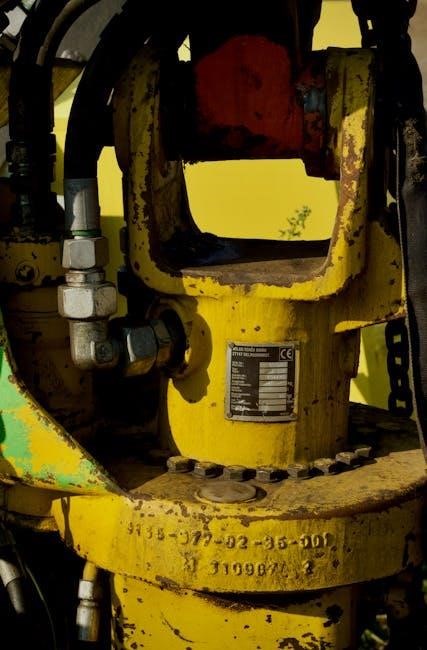
Monitoring filter condition through pressure gauges or visual inspection is recommended. Clogged filters restrict flow, leading to reduced pressure and potential overheating. Proper filtration contributes significantly to the longevity and efficiency of the entire hydraulic system, aligning with advancements in AI-driven predictive maintenance.
Motor and Drive Systems
SPX Power Team pumps utilize electric motors to drive the hydraulic pumping mechanism. These motors convert electrical energy into mechanical power, generating the flow necessary for hydraulic operations. Motor specifications, including horsepower and voltage, vary depending on the pump model and application requirements.
Drive systems commonly employ direct coupling or belt drives to transfer power from the motor to the pump. Direct coupling offers higher efficiency and reduced noise, while belt drives provide flexibility in pump positioning and speed adjustment. Regular inspection of belts for wear and proper tension is crucial for optimal performance.
Monitoring motor amperage and voltage can indicate potential issues like overload or voltage fluctuations. Proper motor ventilation is essential to prevent overheating, especially during extended operation. Advancements in motor control, potentially leveraging AI for predictive maintenance, are enhancing system reliability and efficiency.
Valve Assemblies: Function and Maintenance
SPX Power Team pumps rely on intricate valve assemblies to control hydraulic fluid direction, pressure, and flow. These assemblies typically include directional control valves, pressure relief valves, and flow control valves, each playing a critical role in system operation. Proper valve function is paramount for safe and efficient performance.
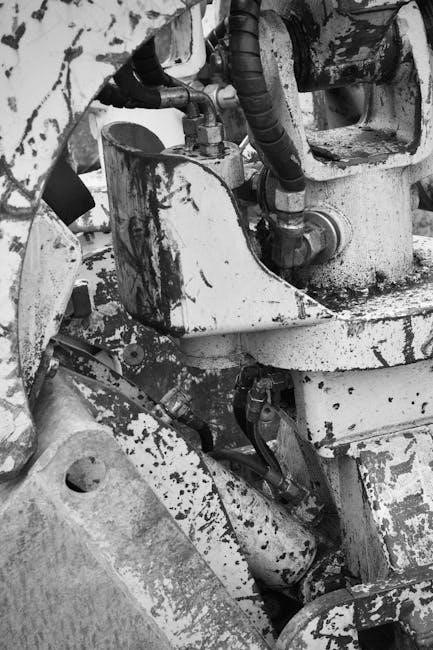
Regular inspection of valve spools and seats is essential to identify wear or damage that could lead to leakage or malfunction. Cleaning valves to remove contaminants is also vital, as debris can impede proper sealing. Replacement of worn seals and O-rings is a common maintenance task.
Pressure relief valves protect the system from over-pressurization, preventing damage to components. Periodic testing of these valves ensures they are functioning within specified parameters. Future advancements, potentially utilizing AI-driven diagnostics, could streamline valve maintenance and predict failures.
Seal and O-Ring Replacement
Maintaining hydraulic seals and O-rings is crucial for preventing fluid leaks and ensuring optimal SPX Power Team pump performance. These components degrade over time due to exposure to pressure, temperature fluctuations, and fluid compatibility issues. Regular inspection during maintenance routines is vital.
Before replacing any seal or O-ring, thoroughly clean the housing and shaft surfaces to remove any debris or old sealant. Use the correct replacement part, specified by SPX Power Team, ensuring material compatibility with the hydraulic fluid (AW 46 is standard). Lubricate new seals with fluid before installation.
Proper installation techniques are essential to avoid damage during assembly. Avoid twisting or stretching O-rings. Future diagnostic tools, potentially leveraging AI, could assess seal integrity non-destructively, predicting replacement needs.

Advanced Topics
This section explores cross gear pumps, hydraulic system integration, schematics, and the potential impact of Artificial General Intelligence (AGI) on future hydraulic systems.
Cross Gear Pumps and Motors: Field Identification
Identifying cross gear pumps and motors in the field requires careful observation of key characteristics. These units, frequently utilized within SPX Power Team systems, differ structurally from other pump types. A primary identifier is the arrangement of the gears – they intersect at a 90-degree angle within the housing;
Model numbers and gear width are crucial for accurate identification, often stamped directly onto the pump casing. Referencing manufacturer documentation, alongside visual inspection, is paramount. Pay attention to port configurations and mounting flange details, as these can vary based on application and model. Understanding these distinctions allows for correct parts ordering and efficient troubleshooting. Newer AI-powered diagnostic tools, mirroring advancements like GPT-5.4, may eventually aid in automated identification.
Hydraulic System Integration
Integrating SPX Power Team hydraulic pumps into larger systems demands a thorough understanding of compatibility and operational parameters. Proper integration ensures optimal performance and longevity. Key considerations include reservoir sizing, filtration requirements, and hose selection – ensuring they meet or exceed pump specifications.
System schematics (understanding them is crucial – see related section) illustrate fluid pathways and component interactions. Correct valve placement and accumulator integration are vital for pressure regulation and shock absorption. Modern systems increasingly leverage AI-driven monitoring, similar to advancements in ChatGPT, for real-time performance analysis and predictive maintenance. Careful planning and adherence to safety protocols are essential during integration, guaranteeing a reliable and efficient hydraulic system.
Understanding Hydraulic Schematics
Hydraulic schematics are the blueprints of any hydraulic system, including those utilizing SPX Power Team pumps. They visually represent components and fluid pathways using standardized symbols. Mastering schematic interpretation is crucial for troubleshooting, maintenance, and system modifications. Key elements include pumps, valves, cylinders, reservoirs, and filters.
Understanding flow direction (indicated by arrows) and pressure lines is paramount. Schematics also depict control mechanisms and safety devices. Modern advancements, mirroring the reasoning capabilities of GPT5.4, are enabling AI-powered schematic analysis tools. These tools can assist in identifying potential issues and optimizing system performance. Familiarity with these diagrams allows technicians to efficiently diagnose problems and implement effective solutions, ensuring system reliability and safety.
AGI and Future of Hydraulic Systems (brief mention of related AI advancements)
The pursuit of Artificial General Intelligence (AGI), as championed by organizations like OpenAI, promises transformative changes across industries, including hydraulics. Currently, AI models like ChatGPT demonstrate conversational abilities and problem-solving skills, hinting at future capabilities. In hydraulic systems, AI can optimize pump performance, predict maintenance needs, and enhance safety protocols.

Imagine AI-driven diagnostics analyzing SPX Power Team pump data in real-time, identifying anomalies before they lead to failures. This proactive approach, leveraging the coding prowess of GPT-4, minimizes downtime and reduces operational costs. Future systems may feature self-optimizing hydraulics, adapting to varying loads and conditions autonomously. While full AGI remains a long-term goal, the integration of AI is already revolutionizing hydraulic system design and management, paving the way for increased efficiency and reliability.